About Silk Waste
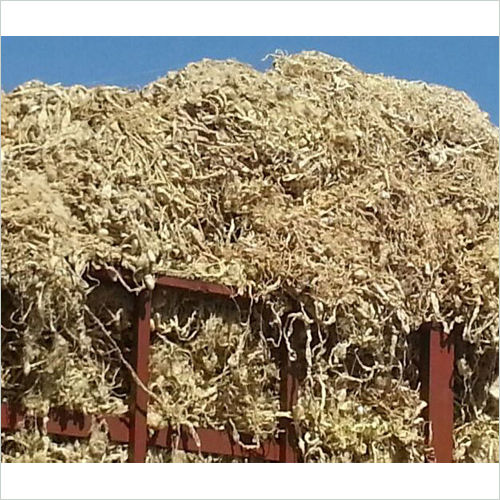
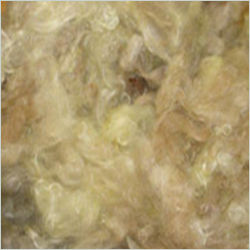
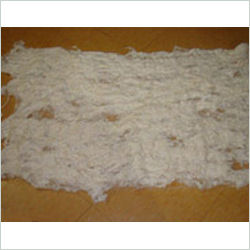
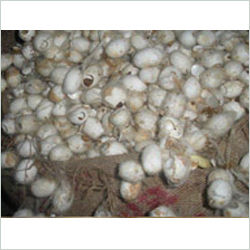
With the help of our efficient workforce, we have been engaged in manufacturing and supplying quality assured Silk Waste. These wastes are processed by us using top grade raw material and progressive technology at our technically advanced fabrication unit. The provided product has a beautiful shinning on the yarn which comes in golden color. This waste is widely been used for making garments and home furnishings like curtains, cushions garments and more. Moreover, the client can avail this Silk Waste from us at the most reasonable piece.
Versatile Material for Diverse ApplicationsSilk waste finds widespread usage across multiple industries, from spinning coarse silk yarns to crafting unique non-woven fabrics, padding, embroidery, and paper making. Its natural, irregular texture gives finished products a distinct character, while its insulating qualities enhance utility in textiles and quilts.
Environmentally Conscious and SustainableBeing 100% natural silk, our fiber is biodegradable, recyclable, and eco-friendly. It serves as an excellent sustainable resource for businesses aiming to reduce their environmental footprint while supporting renewable material cycles in manufacturing and design.
Reliable Sourcing and Customizable PackagingAs an established exporter, manufacturer, and supplier in India, we offer bulk lots of silk waste typically starting from 5 kg. Our HDPE compressed packaging ensures product safety during transit, with custom packing solutions available to meet specific requirements.
FAQs of Silk Waste:
Q: How should silk waste be stored to preserve its quality?
A: Silk waste should be stored in a cool, dry place to maintain its properties and prevent any degradation. Proper storage minimizes moisture absorption and protects the fibers from impurities, ensuring they remain suitable for various applications.
Q: What are the main applications of loose fibrous silk waste?
A: This silk waste is primarily used for spinning into silk yarns, creating non-woven fabrics, making handmade papers, padding for quilts, textiles, and handcrafts such as embroidery. Its irregular texture and absorbency make it a preferred material for these industries.
Q: When is silk waste typically processed during textile production?
A: Silk waste is processed at the initial stages of yarn production or during the creation of non-woven fabrics. It undergoes degumming or other pre-treatment processes to remove sericin before being spun or further utilized in manufacturing.
Q: Where is your silk waste sourced and can it be exported internationally?
A: Our silk waste is sourced and processed in India, maintaining strict quality and impurity control. We serve international clients as exporters, ensuring our compressed HDPE packaging supports safe global transportation.
Q: What steps are involved in processing raw silk waste for spinning?
A: Typically, silk waste undergoes degumming to remove sericin, followed by carding and combing to align fibers and reduce coarse particles. The slubby, uneven fibers are then spun into yarns, tailored to customer requirements for coarseness or fineness.
Q: Why choose silk waste over reeled silk for certain applications?
A: Silk waste offers unique advantages such as a natural, irregular appearance, high absorbency, insulation, and eco-friendliness. Products made from silk waste often have characterful textures and are more sustainable, making them suitable for specialized textiles and craft purposes.
Q: What are the benefits of using 100% natural silk waste?
A: Natural silk waste is biodegradable, eco-friendly, and recyclable. Its high absorbency and insulating properties enhance end-product performance, while its variability in texture and luster brings distinctiveness to products made from it.










 Send Inquiry

 Send Inquiry
